
What Makes Sunscreen Reef Safe?
Coral reefs are some of the most diverse and fragile ecosystems on the planet. They support marine life, protect coastlines from erosion, and play an important role in the overall health of our oceans. In recent years, scientists and environmental groups have raised concerns about the impact certain sunscreen ingredients can have on these ecosystems.
As awareness has grown, so has interest in reef safe sunscreen, like Surface Sunscreen. Consumers are increasingly asking what reef safe really means, how it differs from traditional sunscreens, and what role sunscreen manufacturers can play in protecting marine environments.
How Ordinary Sunscreen Affects Coral Reefs
When people swim, surf, or snorkel, sunscreen naturally washes off into the water. Over time, the accumulation of ordinary sunscreen ingredients in coastal areas can have a measurable impact on marine life.
Research has shown that some chemical UV filters commonly used in ordinary sunscreens can contribute to coral bleaching, disrupt coral development, and harm fish and other marine organisms. These effects are especially concerning in popular tourist destinations, where reefs are exposed to sunscreen runoff daily.
This growing body of research has prompted governments, scientists, and manufacturers to take a closer look at sunscreen formulations and their environmental impact.
What Does “Reef Safe Sunscreen” Mean?
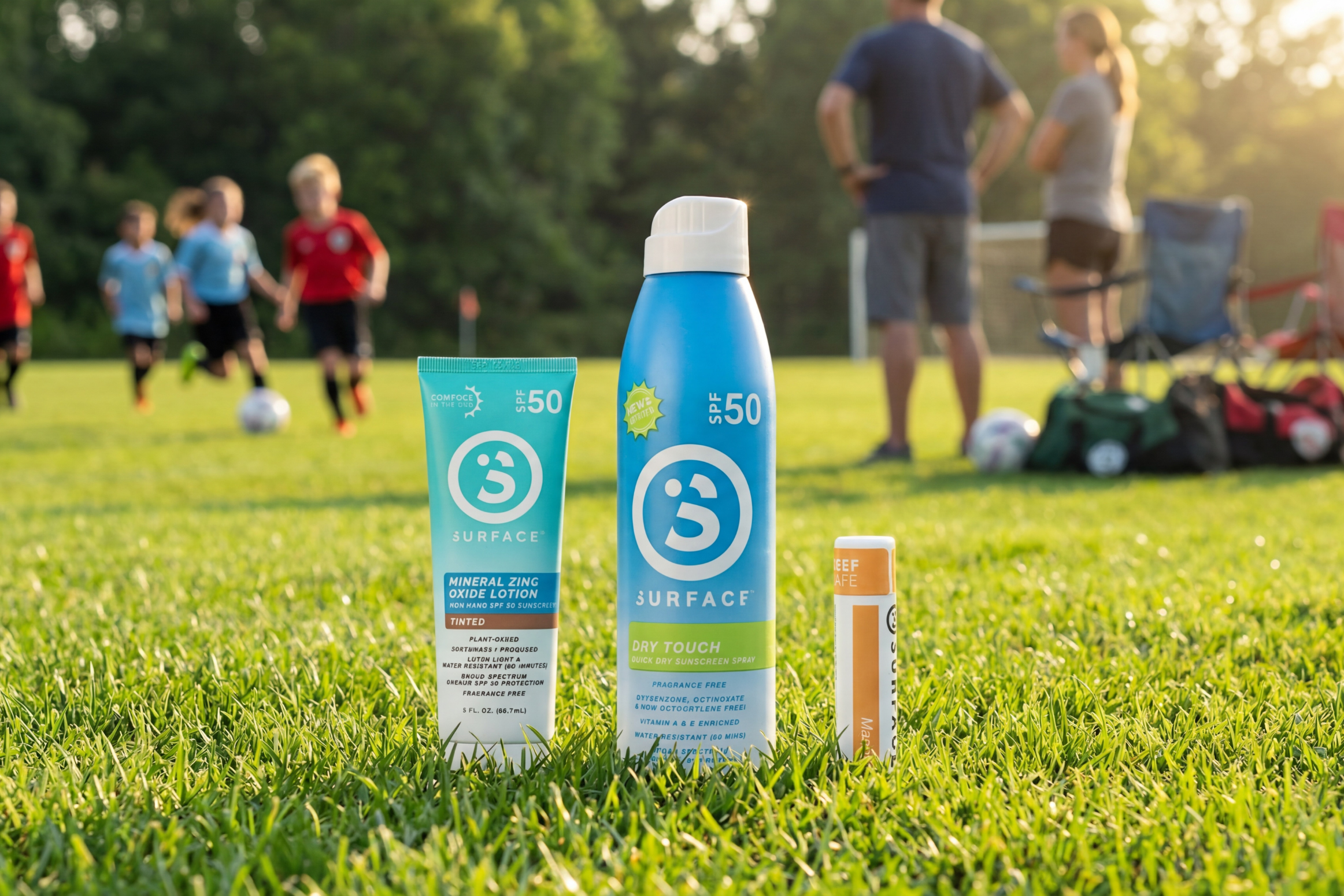
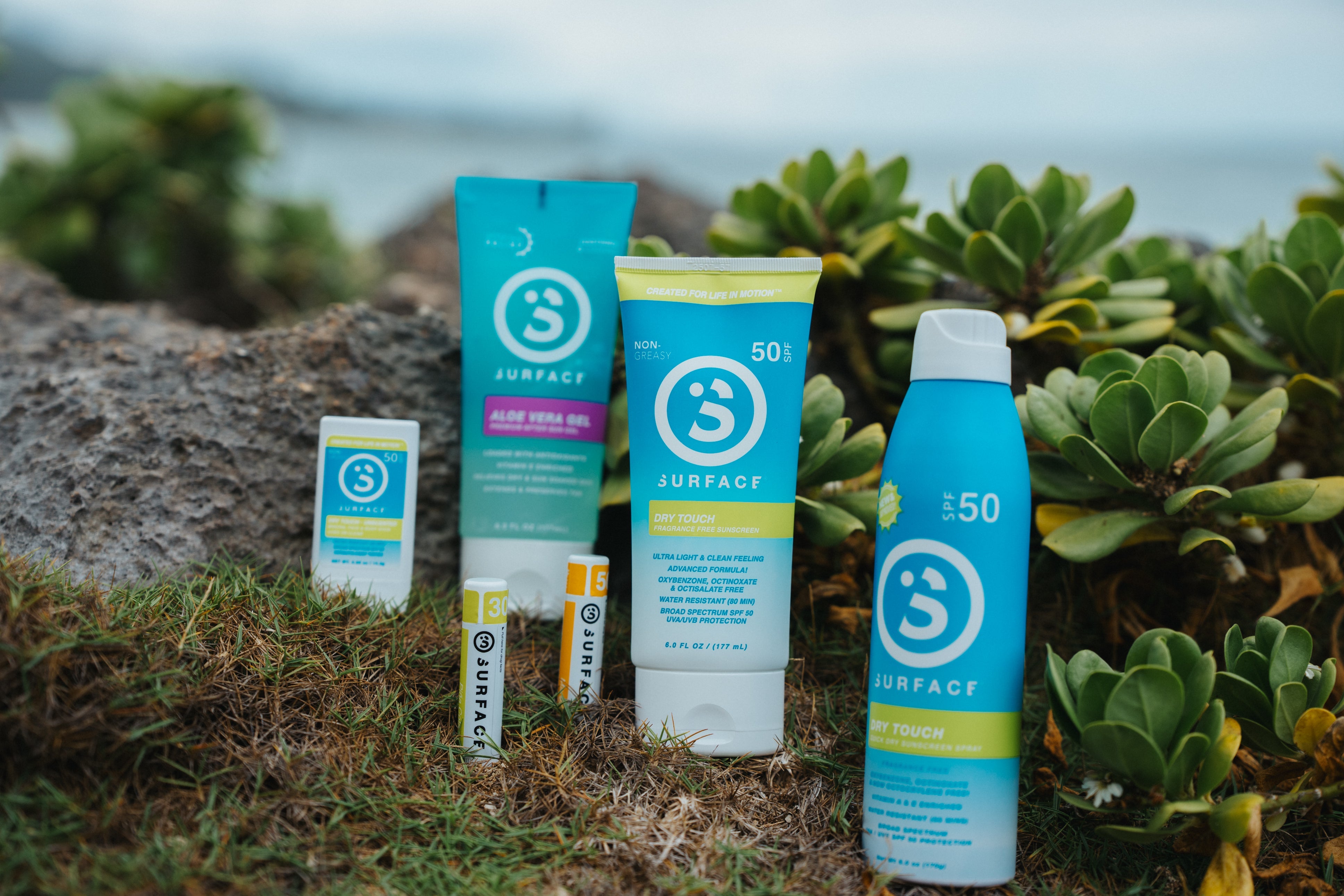
Surface Sunscreen formulas are designed to meet reef safe standards from the start. Every Surface Sunscreen product is formulated without oxybenzone or octinoxate and is completely microplastic free, making all formulas reef safe and compliant with Hawaii Act 104.
There is no single universal definition of reef safe sunscreen. In general, the term refers to sunscreens that are formulated without ingredients that have been shown to harm coral reefs and marine ecosystems.
Most reef safe sunscreens avoid chemical UV filters such as oxybenzone and octinoxate, which have been linked to coral bleaching and other environmental damage. Many also exclude microplastics, which can persist in the ocean and pose risks to marine life.
Instead, reef safe sunscreens typically rely on alternative UV filters and cleaner formulations designed to reduce environmental impact while still providing effective sun protection.
Are Mineral Sunscreens Reef Safe?
Mineral sunscreens are widely considered a reef safe option when they are properly formulated. These sunscreens, like Surface Sunscreen's line of Zinc and Mineral Sunscreens, use zinc oxide and or titanium dioxide to physically block UV rays rather than absorbing them into the skin.
Mineral ingredients are generally regarded as safer for coral reefs, particularly when they are non nano and free from additional harmful additives.
This is why transparency and responsible formulation practices are essential when evaluating reef safe sunscreens.
The mineral sunscreens from Surface Sunscreen are non-nano zinc oxide, oxybenzone-free, octinoxate-free, and free from microplastics.
Reef Safe Sunscreen and Environmental Regulations
In response to growing environmental concerns, several regions have taken legislative action to limit the use of certain sunscreen ingredients. Hawaii Act 104 is one of the most well-known examples, banning the sale of sunscreens containing oxybenzone and octinoxate.
Since then, similar regulations and recommendations have emerged in other parts of the world, particularly in areas with sensitive marine ecosystems. These efforts are intended to reduce the amount of harmful chemicals entering the ocean and to encourage the use of safer alternatives.
While regulations vary by location, the underlying goal remains the same: protecting coral reefs and preserving marine biodiversity for future generations.
Reef Safe vs Reef Friendly Sunscreen
Surface Sunscreen's formulas are designed to be both reef safe and reef friendly. Every Surface Sunscreen product is formulated without oxybenzone or octinoxate and their formulas are completely microplastic-free, reflecting a commitment to protecting coral reefs while also reducing broader environmental impact.
The terms reef safe and reef friendly are often used interchangeably, but reef friendly can reflect a more comprehensive environmental approach. While reef safe sunscreen generally focuses on avoiding ingredients known to harm coral reefs, reef friendly sunscreen may also consider how a product interacts with the ocean over time.
In addition to avoiding certain UV filters, reef friendly sunscreens often account for factors such as microplastic free formulations, reduced environmental persistence, and more responsible ingredient sourcing. These considerations help address not only coral health but also the wider impact sunscreen products can have on ocean ecosystems.
By formulating sunscreen products that meet both reef safe and reef friendly standards, Surface Sunscreen aims to support healthier oceans without compromising on effective sun protection.
Surface Sunscreen and Reef Safety
At Surface Sunscreen, environmental responsibility is an important part of product development. All of Surface Sunscreen’s sunscreen products are designed to provide effective sun protection while also minimizing impact on marine environments.
Surface Sunscreen products are reef-friendly, free from microplastics, and formulated without oxybenzone or octinoxate. These choices reflect a commitment to protecting coral reefs and other marine life without compromising performance or skin feel.
By focusing on cleaner formulations and eliminating unnecessary additives, Surface Sunscreen aims to balance the need for reliable sun protection with the importance of environmental stewardship.
Protecting the Ocean While Staying Protected
Using reef safe sunscreen is one way individuals can help reduce their impact on fragile marine ecosystems. While sunscreen alone is not the sole cause of coral reef decline, choosing products that are formulated with the environment in mind can make a meaningful difference, especially in heavily visited coastal areas.
As research continues and awareness grows, education and responsible product choices will play an increasingly important role in protecting our oceans.

Frequently Asked Questions About Reef Safe Sunscreen
What makes sunscreen reef safe?
Reef safe sunscreen is generally defined by the ingredients it does not contain. Most reef safe formulations avoid chemical UV filters such as oxybenzone and octinoxate, which have been linked to coral bleaching and harm to marine life. Many reef safe sunscreens also exclude microplastics and other additives that can persist in the ocean. While there is no single global standard, reef safe sunscreen is intended to reduce environmental impact while still providing effective sun protection.
Are mineral sunscreens reef safe?
Mineral sunscreens are widely considered reef safe when they are properly formulated. These sunscreens use zinc oxide and or titanium dioxide to physically block UV rays rather than absorbing them into the skin. Mineral ingredients are generally regarded as safer for coral reefs, particularly when they are non nano and free from additional harmful additives. However, mineral sunscreen alone does not automatically guarantee reef safety, which is why reviewing the full ingredient list is important.
Is mineral sunscreen reef safe in Hawaii?
Yes, mineral sunscreen is reef safe in Hawaii when it does not contain oxybenzone or octinoxate. Hawaii Act 104 bans the sale of sunscreens containing these two chemical UV filters due to their documented impact on coral reefs. Mineral sunscreens that meet these requirements are allowed and are often labeled as Hawaii approved or Hawaii Act 104 friendly. Travelers should always check ingredient labels to ensure compliance.
What sunscreen is allowed in Hawaii?
Sunscreens sold in Hawaii must not contain oxybenzone or octinoxate. This includes both chemical and mineral sunscreens, as long as they meet the ingredient requirements set by Hawaii Act 104. Many mineral based sunscreens and reef friendly formulations are allowed, but it is still recommended to review ingredient lists carefully before purchasing or traveling with sunscreen.
What is the difference between reef-safe and reef-friendly sunscreen?
Surface Sunscreen formulas are designed to be both reef safe and reef friendly. All Surface Sunscreen products are microplastic free and formulated without oxybenzone or octinoxate, helping reduce impact on coral reefs and the surrounding ocean environment.
Reef safe sunscreen typically refers to products that avoid ingredients known to harm coral reefs, such as oxybenzone and octinoxate. Reef friendly sunscreen often takes a broader view by considering how a formula affects the ocean beyond coral alone.
In addition to avoiding certain UV filters, reef friendly sunscreens may also focus on microplastic free formulations, reduced environmental persistence, and cleaner supporting ingredients. These factors help limit long term impact on marine ecosystems while still providing reliable sun protection for active days outdoors.
Where is reef safe sunscreen required?
Reef safe sunscreen is required or strongly encouraged in several regions with sensitive marine ecosystems. Hawaii is the most well known example, but similar regulations or recommendations exist in parts of the Caribbean, Mexico, and certain marine protected areas worldwide. Even in locations without formal bans, using reef safe sunscreen is encouraged to help protect coral reefs from cumulative environmental impact.
Is Surface Sunscreen reef safe?
Surface Sunscreen products are formulated to be reef friendly and meet the requirements of Hawaii Act 104. Surface Sunscreen formulas are free from oxybenzone and octinoxate and are also microplastic free. These formulation choices reflect a commitment to protecting coral reefs and marine life while delivering effective sun protection for active lifestyles.
Why do microplastics matter in sunscreen?
Microplastics can persist in the environment and accumulate in marine ecosystems, where they may be ingested by marine life and disrupt natural processes. By eliminating microplastics from sunscreen formulations, Surface Sunscreen can help reduce long term environmental pollution. Surface Sunscreen's microplastic free sunscreen formulas support both ocean health and broader sustainability efforts.